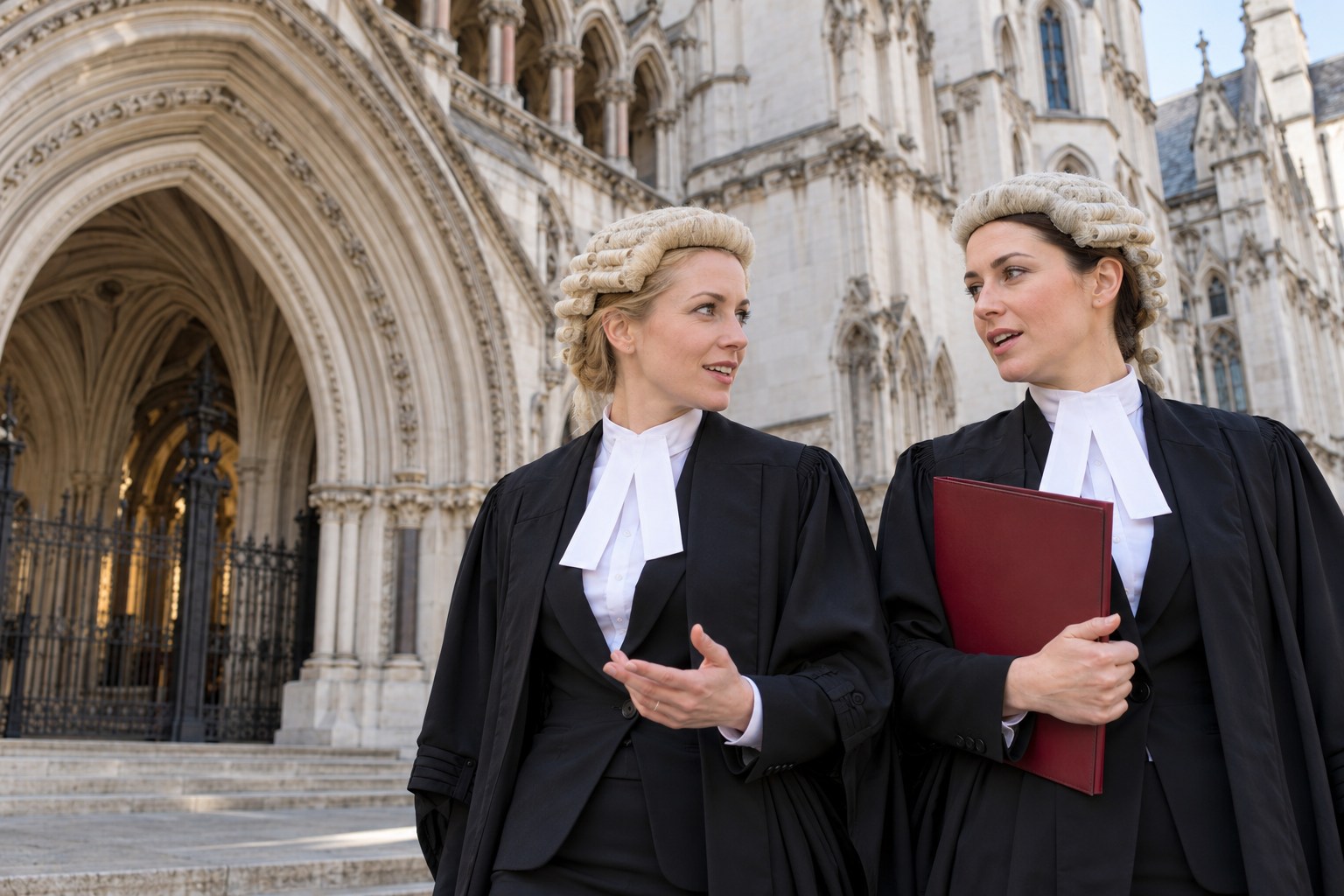

The legal framework in Scotland
Scottish financial distress requires a distinction between corporate insolvency and personal debt solutions. Company insolvency uses much of the UK Insolvency Act framework with Scottish rules and procedures, while personal bankruptcy is known as sequestration and has its own Scottish statutory arrangements. Protected trust deeds and the Debt Arrangement Scheme serve different purposes and have different consequences. The correct route depends on assets, income, liabilities and viability, not simply the size of the debt or the name of the process.
Directors should obtain timely advice when cash flow or solvency becomes doubtful, with a clear record of decisions and the information relied upon. Prepare current accounts, forecasts, security, guarantees and details of connected-party transactions. Scottish heritable property and moveable-security arrangements can affect creditor priority and the options for a rescue or sale. Relevant statutory appointments require appropriately qualified insolvency professionals. Employees, customers and creditors need accurate communications that do not promise continued performance unsupported by the available resources or legal position.
For an individual, the Debt Arrangement Scheme is accessed through an approved money adviser and can provide a regulated repayment programme; it is not simply an informal payment plan. Sequestration or a protected trust deed can affect a home, business interests and future finances, so consequences should be explained before commitment. Creditors should establish whether individual diligence is restricted and how to participate in the relevant process. Legal coordination should focus on preserving value, lawful decision-making and realistic options, with no guarantee that a business can be rescued or that all liabilities will disappear.
Laws & official sources
Scottish Government — Debt Arrangement Scheme
Explains the Scottish statutory repayment route administered by Accountant in Bankruptcy and access through an approved adviser.
Read the source ↗Scottish Government — statutory debt solutions
Current official material identifies sequestration, protected trust deeds and DAS as distinct Scottish statutory solutions.
Read the source ↗Preparing your matter
- Separate company liabilities from personal guarantees and debts.
- Prepare reliable cash flow, assets and security information.
- Use the appropriate qualified practitioner or approved money adviser.
Documents that can help
- Current cash-flow and creditor schedules
- Security, guarantees and finance agreements
- Accounts, asset records and board decisions
Courts and legal context
Sheriff courts, the Court of Session, criminal courts and specialist Scottish tribunals have different jurisdiction and procedure. An action may require a particular initiating document, pre-action step or permission. The correct court, tribunal and professional representation arrangements should be established before proceedings are prepared.
Questions clients ask
Is the Debt Arrangement Scheme the same as bankruptcy?
No. DAS is a Scottish statutory repayment programme, while sequestration is bankruptcy with different requirements and consequences.
How do I choose the right local guide?
Use the city connected with the matter for local orientation. The address, asset, authority or proceeding may create other territorial connections, so the city name alone does not determine the legal route.